Fa Football For All
Football belongs to everyone. That simple idea sits at the heart of the FA's Football for All movement, a commitment to tearing down the barriers that have kept too many people on the sidelines for far too long. Whether you're a youngster kicking a ball for the first time, a parent looking for an affordable weekend activity, a player with a disability chasing competitive glory, or an older adult who simply wants to stay active, there is a place for you in the game. The beautiful game is at its best when it reflects the communities that love it, and that means making room for every body, every background, and every ability level. It's not about lowering standards; it's about raising access.
Mapping Out a Game Where Everyone Belongs
Think of inclusion like a good map: if the routes aren't clear, people get lost before they even start. The FA has been busy charting those routes through grassroots programs, flexible formats, and targeted funding for clubs that want to widen their doors. Walking football, for instance, gives older players a lower-impact way to keep competing. Frame football and powerchair football open the pitch to players with mobility challenges. Girls' and women's leagues continue to expand, and dedicated pathways now exist for players from underserved neighbourhoods who might never have seen a viable route into the sport. Every one of those initiatives is a signpost, and together they form a network that says: you are welcome here.
Finding Your Way to the Pitch: Access Starts Locally

For most people, the journey into football begins close to home, which is why the FA works with local clubs, schools, and community centres to make that first step as easy as possible. Cost should never be the reason a child stops playing, so kit schemes, subsidized memberships, and equipment donations are part of the picture. Facilities matter too: accessible changing rooms, safe playing surfaces, and reliable transport links turn good intentions into real opportunities. Coaches and volunteers receive inclusion training so that a new player isn't just tolerated but genuinely welcomed. When a club gets those details right, it stops being a place you visit and becomes a place where you belong.
Why It Matters Beyond the Final Whistle
The benefits of Football for All ripple far past the ninety minutes. Research consistently shows that team sport improves mental health, builds confidence, and strengthens social connections, particularly for people who face isolation. For players with disabilities, inclusive football can be transformative, offering the same thrill of competition that everyone else takes for granted. For families, affordable grassroots programs mean weekends filled with shared purpose instead of screen time. For communities, a diverse pitch is a small but powerful model of what an inclusive society looks like in practice. Football doesn't fix everything, but it does teach us how to play together, and that lesson travels.
How You Can Get Involved
Getting started is easier than you might think. Visit the FA's official website to search for inclusive clubs in your area, or reach out directly to a local team and ask what programs they offer. If you're a coach, referee, or administrator, consider what small changes could make your club more welcoming, from pronoun-friendly registration forms to sensory-friendly match days. If you're a player, know that there's a format out there built for you, whether that's five-a-side, walking football, or a competitive disability league. The game is wide open, and the only thing missing is you. Lace up, show up, and take your place on the pitch.
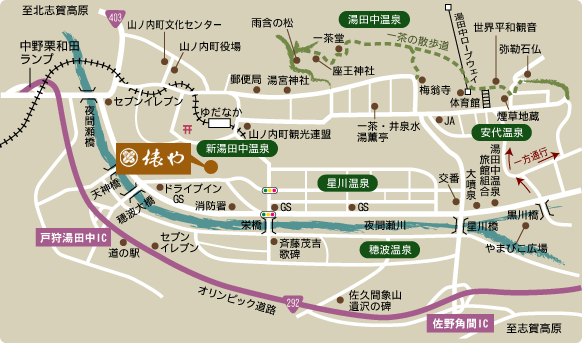
交通案内-信州湯田中温泉観光協会公式サイト

交通案内-信州湯田中温泉観光協会公式サイト
信州湯田中温泉観光協会公式サイト: 交通案内

信州湯田中温泉観光協会公式サイト: 交通案内
湯田中温泉観光マップ _ 湯田中温泉 散策マップ おすすめコース – EOHB
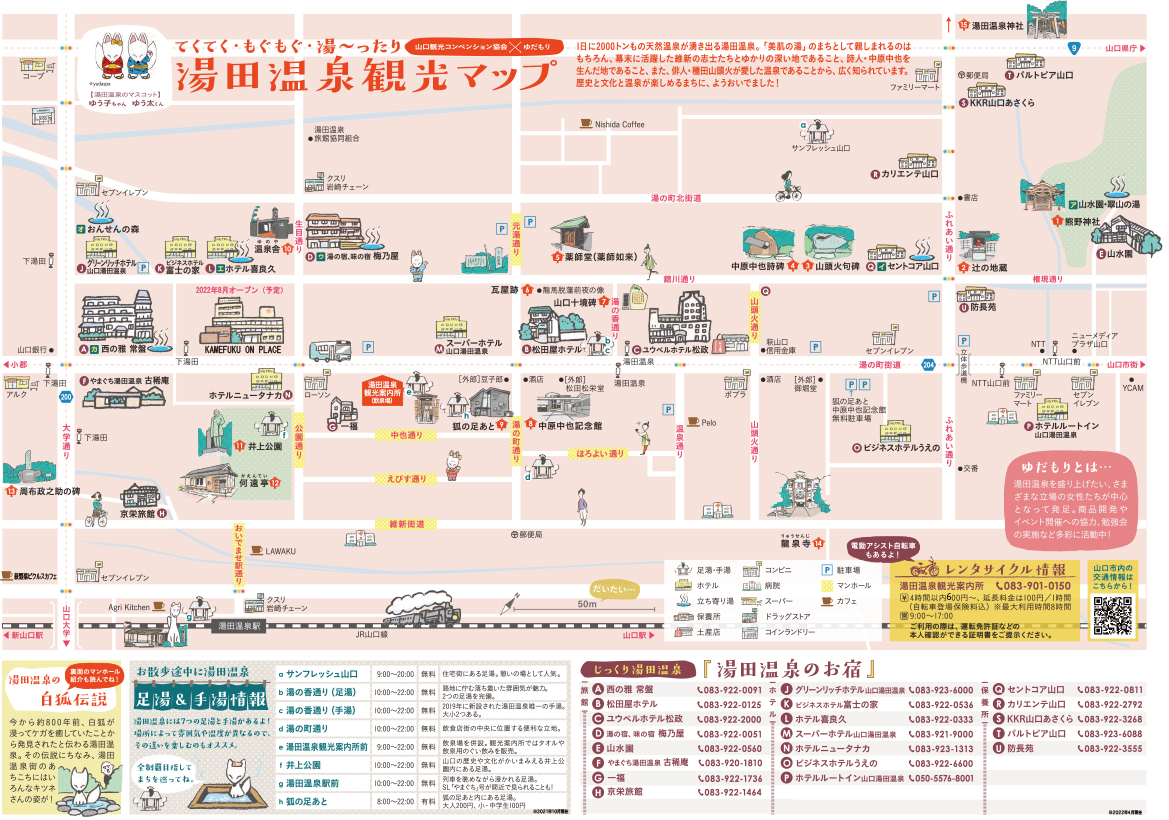
湯田中温泉観光マップ _ 湯田中温泉 散策マップ おすすめコース – EOHB
湯田中温泉マップ – 湯田中温泉 外湯マップ – ZUCICY
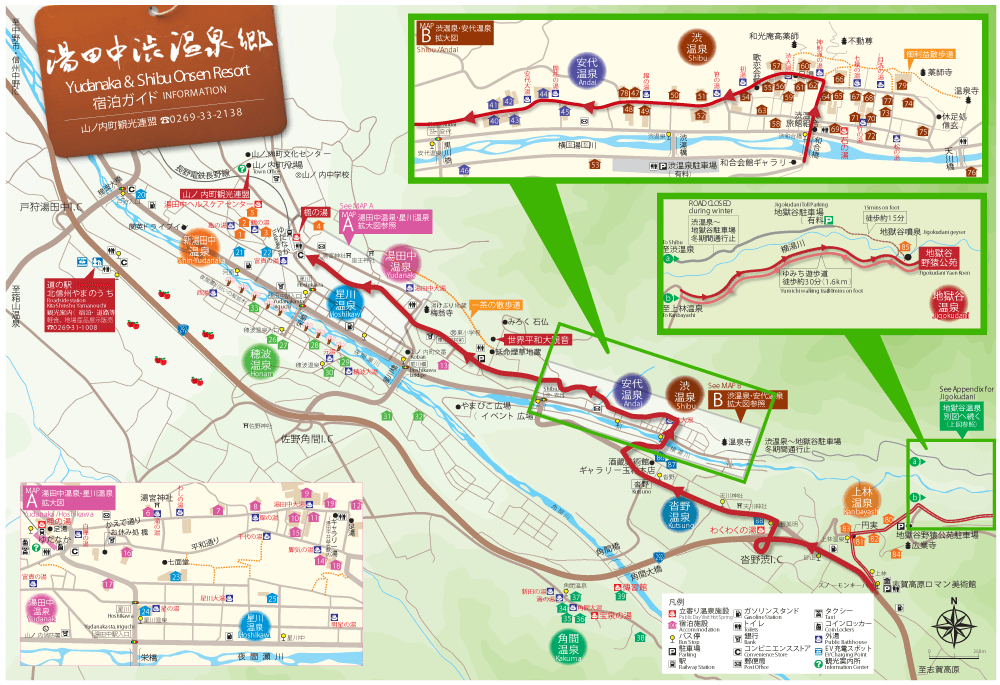
湯田中温泉マップ – 湯田中温泉 外湯マップ – ZUCICY
信州湯田中温泉観光協会公式サイト: 交通案内

信州湯田中温泉観光協会公式サイト: 交通案内
テスト投稿です-信州湯田中温泉観光協会公式サイト

テスト投稿です-信州湯田中温泉観光協会公式サイト
湯田中温泉街マップ – 湯田中温泉 観光マップ – YNVHU

湯田中温泉街マップ – 湯田中温泉 観光マップ – YNVHU