Funny Cats Profile Pictures
A profile picture is often the first impression a person makes online, and the choice of image carries more weight than many users realise. Increasingly, professionals are turning to humorous feline imagery to strike a balance between approachability and personality. A well-chosen funny cat profile picture can signal warmth, wit and a refreshing lack of pretension, without undermining credibility. This article explores how to select, frame and deploy such an image effectively across social media, messaging applications and collaborative workspaces, ensuring that your chosen avatar remains a genuine asset rather than an accidental liability.
Why a Humorous Feline Avatar Can Elevate Your Online Presence

Humour is a powerful social lubricant, and a cat photograph with genuine comic timing communicates a great deal about the person behind the account. A startled kitten mid-sneeze or a stoic tabby wearing an expression of profound disappointment can convey self-awareness and a healthy sense of fun. In professional contexts, this matters. Colleagues are more inclined to engage with someone who appears human and relatable, and an amusing avatar can lower the perceived barrier to making first contact. The key is intentionality: the image should look deliberate rather than careless, chosen because it is genuinely amusing rather than merely the most recent photograph available on a device. A considered selection demonstrates the same attention to detail that clients and colleagues expect elsewhere in your working life.
Selecting the Right Image: Composition, Clarity and Character
Technical quality should never be overlooked. Profile pictures are frequently displayed at a fraction of their original size, so a busy composition will simply dissolve into visual noise. Choose an image with a clear focal point, strong contrast and a face that remains legible when reduced to a small circular frame. Close crops of the cat's expression generally outperform wide shots cluttered with furniture or background detail. Lighting matters equally; natural daylight produces the most flattering results and avoids the grainy artefacts associated with low-light photography. Where a photograph is nearly right but not quite, modest adjustments to brightness, contrast and cropping can make an appreciable difference. It is also wise to avoid images that rely on text or elaborate visual jokes, as these rarely survive the compression and scaling applied by most platforms. Finally, consider consistency across accounts, so that your chosen feline persona remains recognisable wherever you appear.
Matching the Image to the Platform and Audience
Context should govern the final decision. A playful cat photograph may be entirely appropriate on a personal social network or an internal team chat, where informality is welcomed and colleagues already know one another. On a client-facing profile or a professional networking site, the same image may require a more measured approach, particularly in sectors where formality is expected. A useful compromise is to reserve the humorous avatar for platforms where personality is an asset and to favour a more conventional portrait where authority is paramount. Whichever route is taken, ensure the image complies with any organisational guidelines and reflects the impression you wish to leave. Handled thoughtfully, a funny cat profile picture becomes a small but effective piece of personal branding, demonstrating that professionalism and a sense of humour can coexist quite comfortably.
How To Lead A Horse: Developing Feel On The Lead Line

How To Lead A Horse: Developing Feel On The Lead Line
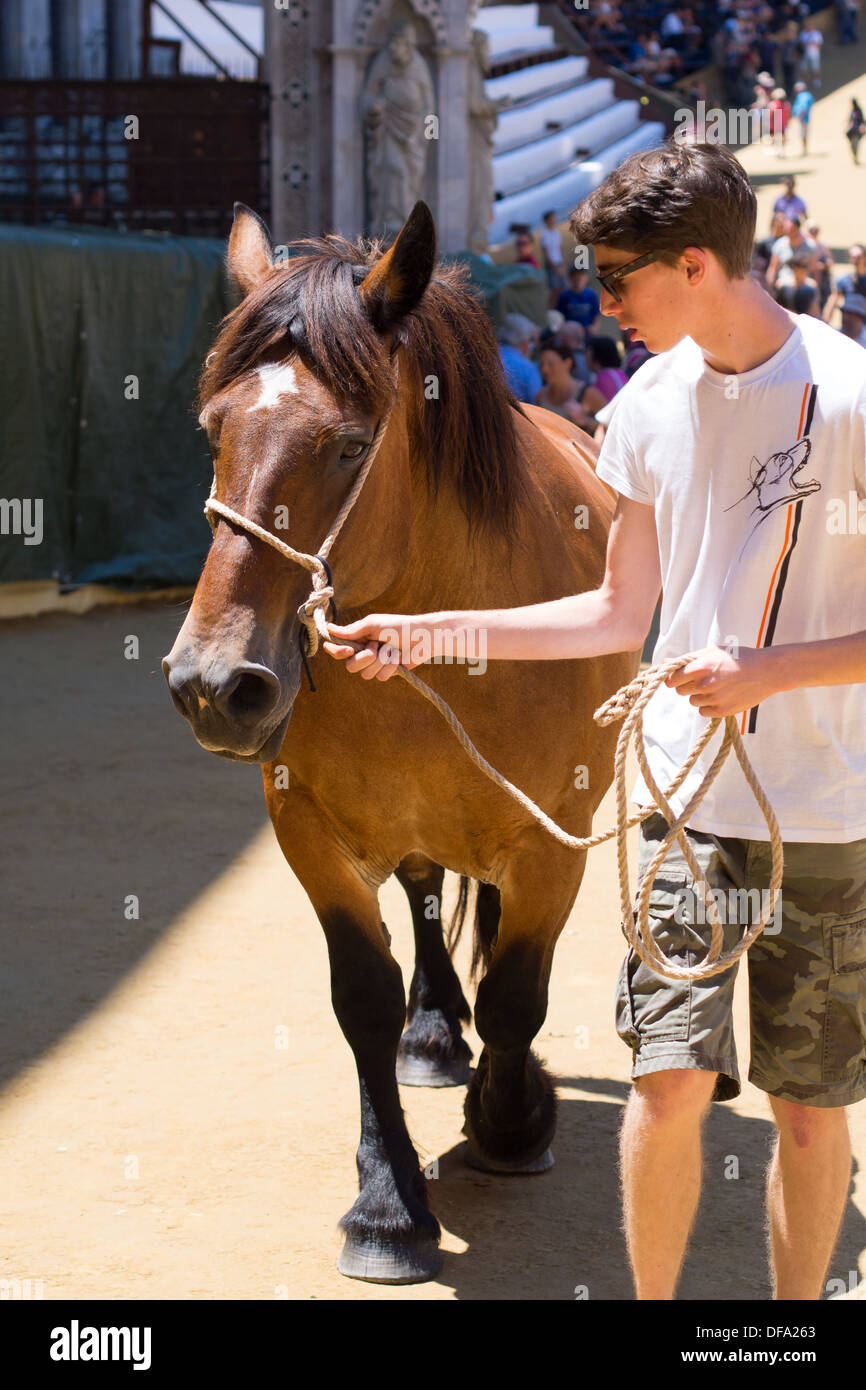
Horse Being Led At Tamara Wickline Blog
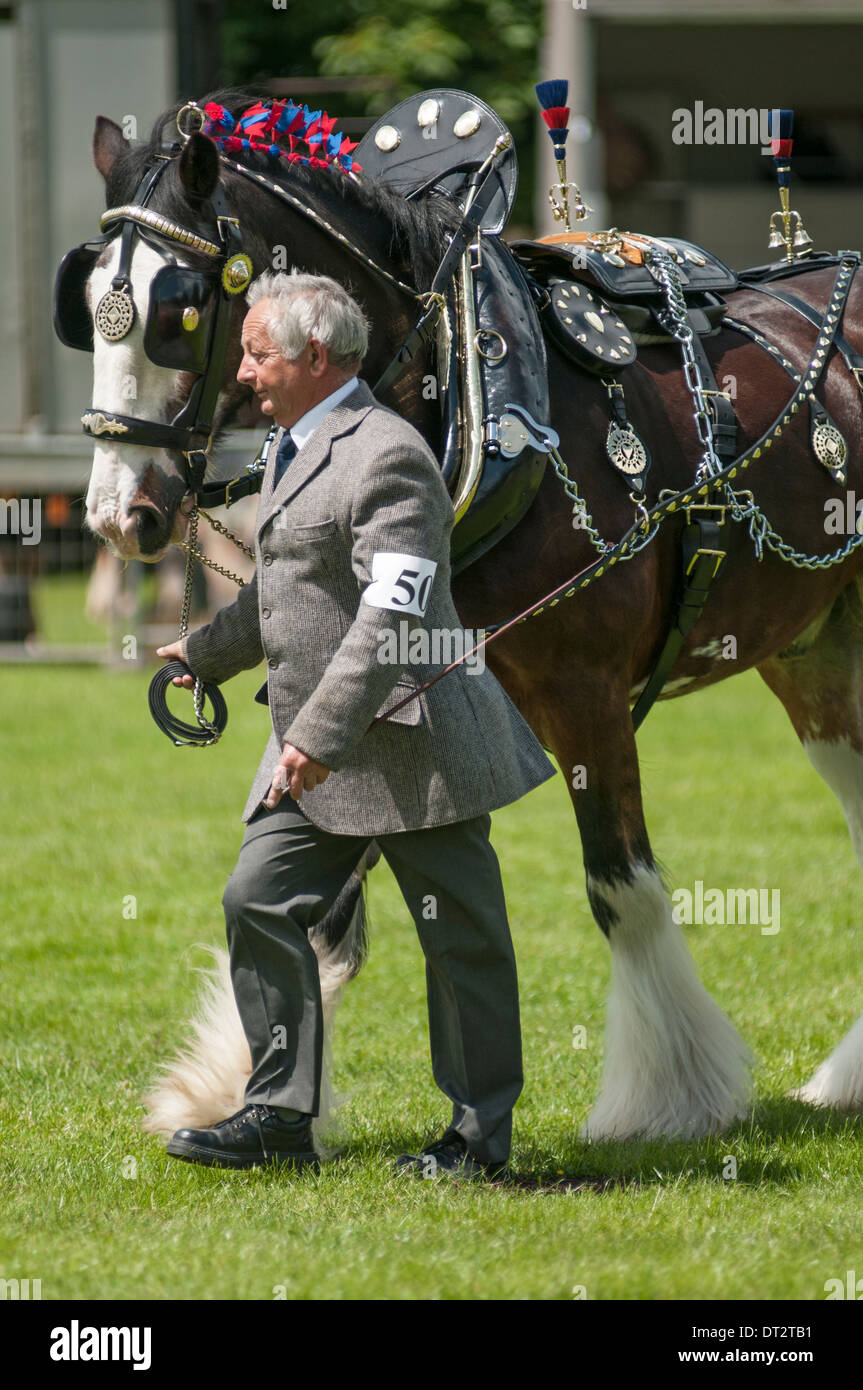
Horse Being Led at Tamara Wickline blog
Horse Being Led At Tamara Wickline Blog

Horse Being Led at Tamara Wickline blog
Leading A Young Horse

Leading A Young Horse
General Horse Care & Management | Department Of Animal Science | Nebraska
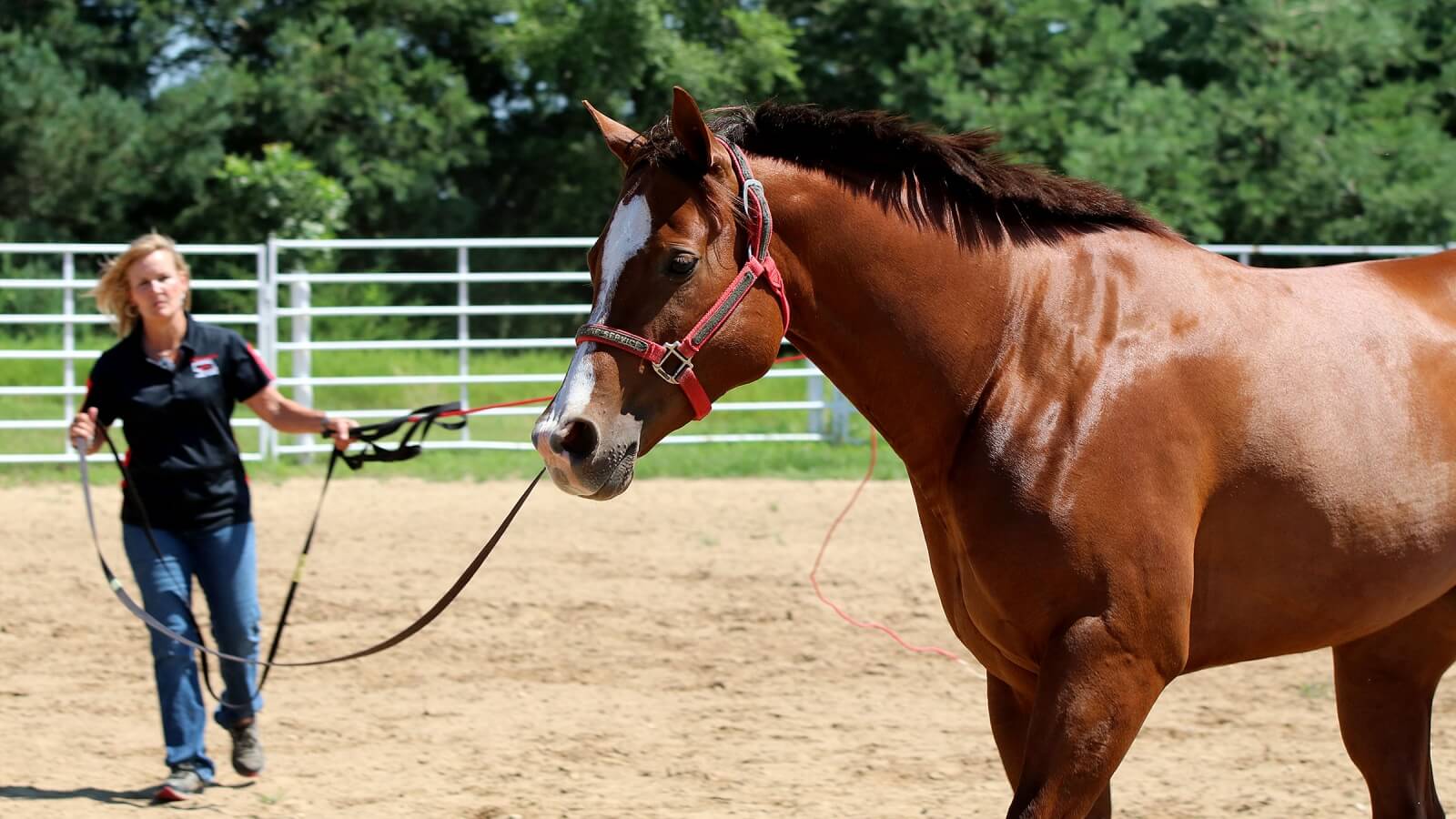
General Horse Care & Management | Department of Animal Science | Nebraska
Horse Being Ridden Stock Photo. Image Of Beautiful, Obedient - 33075876

Horse being ridden stock photo. Image of beautiful, obedient - 33075876
Horse Being Led At Tamara Wickline Blog

Horse Being Led at Tamara Wickline blog