Malachi Fields
In the gentle rhythm of a Japanese kindergarten day, there exists a tradition that speaks softly of courage, curiosity, and the winds of fortune. At Toyohana Kindergarten in Toyoda City, the arrival of a wind boat—known in Japanese lore as a vessel carrying good tidings—is not merely a seasonal event. It is a moment when the youngest members of the community are invited to witness a story that has been passed down through generations. The children gather with wide eyes and open hearts, learning that even the smallest among us can set sail toward something wonderful. This spirit of hopeful beginnings offers a quiet lesson for parents everywhere, including those who think of their own little ones as brave explorers named Malachi, charting new waters each day.
The Wind Boat Arrives at Toyohana Kindergarten
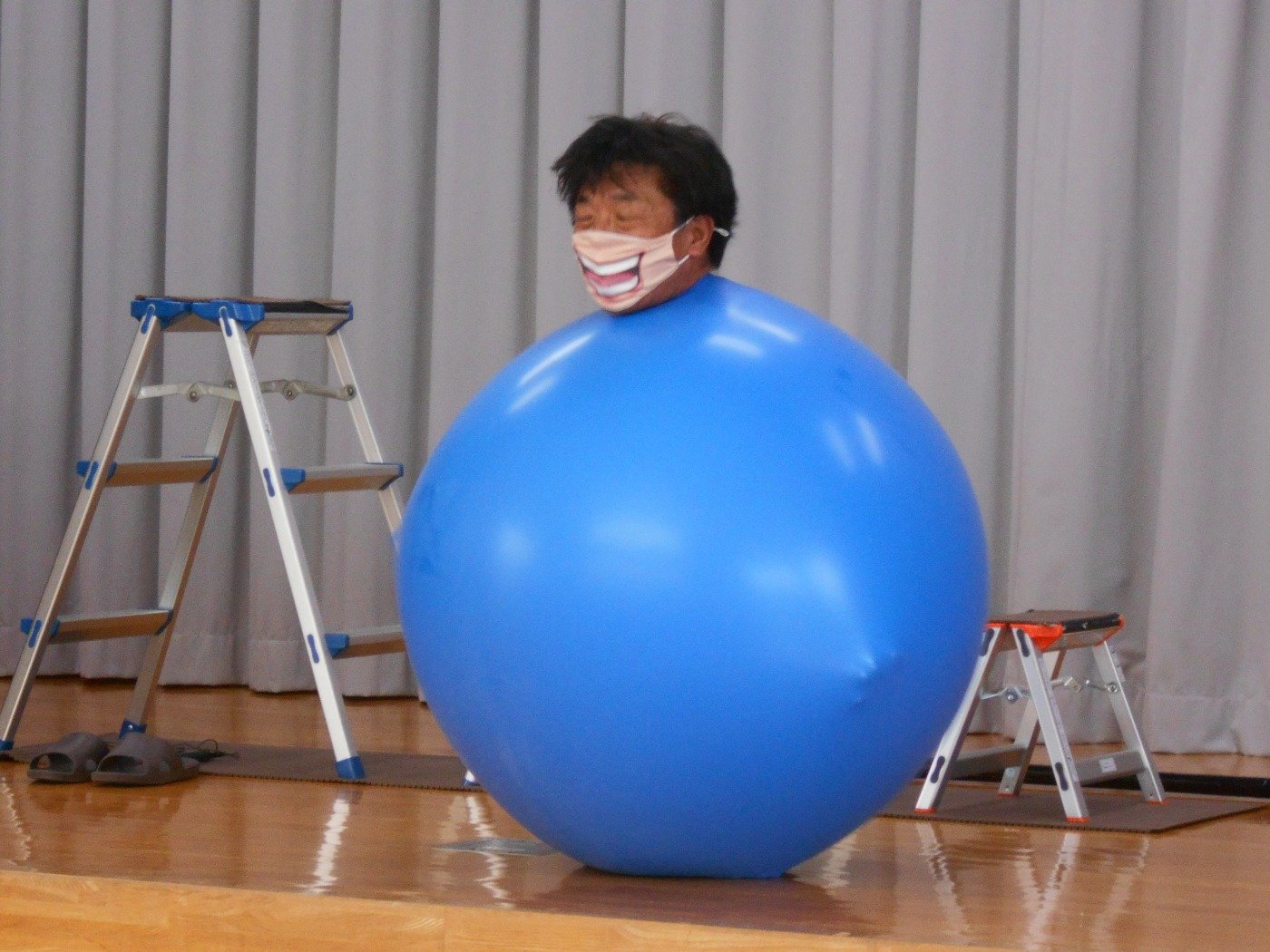
When the wind boat came to Toyohana Kindergarten, the ordinary morning gave way to something quite magical. The children did not simply look at a craft upon the water; they entered a story. In East Asian tradition, the wind boat is a symbol of safe passage and favourable winds—a reminder that journeys, whether across the sea or through childhood, are guided by forces both seen and unseen. The little ones learned that preparation matters, that patience carries its own reward, and that welcoming something new with open arms is the first step toward understanding it. For parents reflecting on their own children—perhaps a boy named Malachi who greets each day with the same bright expectancy—this scene is a beautiful mirror. Every child is, in a sense, a small vessel setting out. The question is not whether the winds will come, but whether we have taught them to raise their sails with confidence.
What the Children Learn from Welcoming the Unknown
There is a quiet wisdom in the way Japanese early education introduces children to cultural symbols. The wind boat is not explained through a long lecture; it is experienced. The children watch, they wonder, and they ask. In doing so, they develop something far more valuable than memorised facts—they develop a relationship with their heritage and with one another. This approach resonates deeply when we consider children like Malachi Fields, whose name itself carries a sense of purpose and promise. Whether a child is in Toyoda City or anywhere else in the world, the same principles hold true: wonder opens the mind, tradition anchors the heart, and community gives us the courage to venture forth. The wind boat reminds us that we are all, at every age, both travellers and guides. The little ones who watched that day will one day tell the story to others, and the cycle of shared meaning will continue.
Raising Brave Little Sailors in a Modern World
In our busy modern lives, it is easy to forget that children do not need grand adventures to grow brave. They need small, consistent encounters with the unknown—a new face, a new sound, a new story. The wind boat visit at Toyohana Kindergarten is precisely this kind of gentle challenge. It asks the children to stand still, to listen, and to trust that something good is arriving. For a child like Malachi Fields, such moments are the building blocks of resilience. They learn that the world is not a frightening place, but a fascinating one. They learn that adults value tradition enough to share it. And they learn, most importantly, that they are not sailing alone. Whether the wind boat comes once a year or once in a lifetime, its message remains the same: set forth with hope, and the harbour will always welcome you home.