Mike Tomlin What'S New
Mike Tomlin has never been a coach who stands still. Entering yet another season with the Pittsburgh Steelers, the long-serving head coach has quietly been reshaping elements of his philosophy, and one of the more intriguing developments is a marked shift towards methods and influences drawn from Asian sporting and organisational cultures. It is not a gimmick or a passing trend. Rather, it reflects Tomlin's enduring curiosity about how elite performance is cultivated across different parts of the world, and how those lessons might translate to the unforgiving environment of the National Football League.
Understanding the New Strategic Direction
For British fans who follow the Steelers closely, the appeal of Tomlin's new outlook lies in its emphasis on discipline, patience and collective responsibility. These are qualities that resonate strongly on this side of the Atlantic, where football culture has long valued tactical restraint and long-term team building over flashy individualism. Tomlin has reportedly spent time studying coaching methodologies from Japan, South Korea and parts of Southeast Asia, paying particular attention to how those systems develop young talent and instil a sense of duty to the group. The result is a Steelers side that appears more willing to grind out results, control possession of momentum and trust in a structured process rather than relying solely on explosive individual moments.
Applying Timeless Principles to a Modern Squad
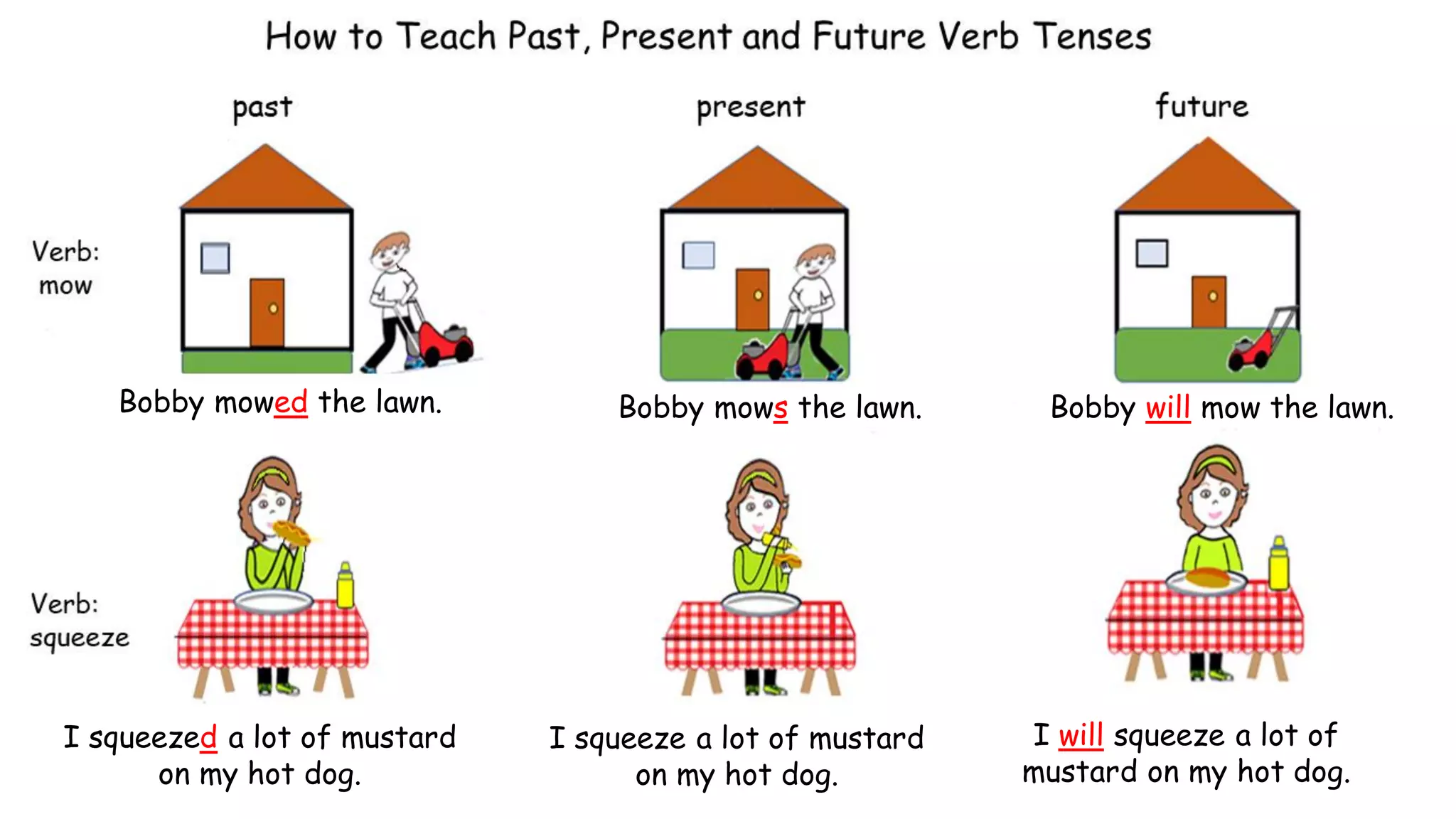
What makes this shift especially fascinating is how Tomlin is blending old and new. Just as language learners must master how events unfold across different time frames, a coach must understand where his team has been, where it stands and where it is heading. Tomlin's refreshed approach acknowledges the Steelers' proud history while refusing to be trapped by it. Younger players are being given clearer frameworks and more patient guidance, mirroring the step-by-step teaching methods used in classrooms around the world. Meanwhile, veterans are being asked to mentor rather than merely perform, creating a culture where knowledge is passed down deliberately rather than assumed.
On the field, this has translated into a more adaptable game plan. Tomlin has shown greater willingness to adjust mid-match, to absorb pressure and to strike with precision when the moment is right. It is a style that rewards concentration and emotional control, both hallmarks of the Asian sporting traditions he has studied. For supporters in the United Kingdom, who appreciate a well-drilled and thoughtful team, this evolution is genuinely exciting.
Whether this new chapter delivers silverware remains to be seen, but Tomlin's willingness to learn from beyond his own backyard is a reminder that great coaching is never finished. It is a process of continuous refinement, and the Steelers appear all the better for it.
Tenses In English Clipart Images

Tenses In English Clipart Images
12 Tense 12 Verb Tenses Posters For ESL, English: Grammar Anchor
12 Tense 12 Verb Tenses Posters For ESL, English: Grammar Anchor
Grammar Tenses In English With Chart - Kidpid - All For One
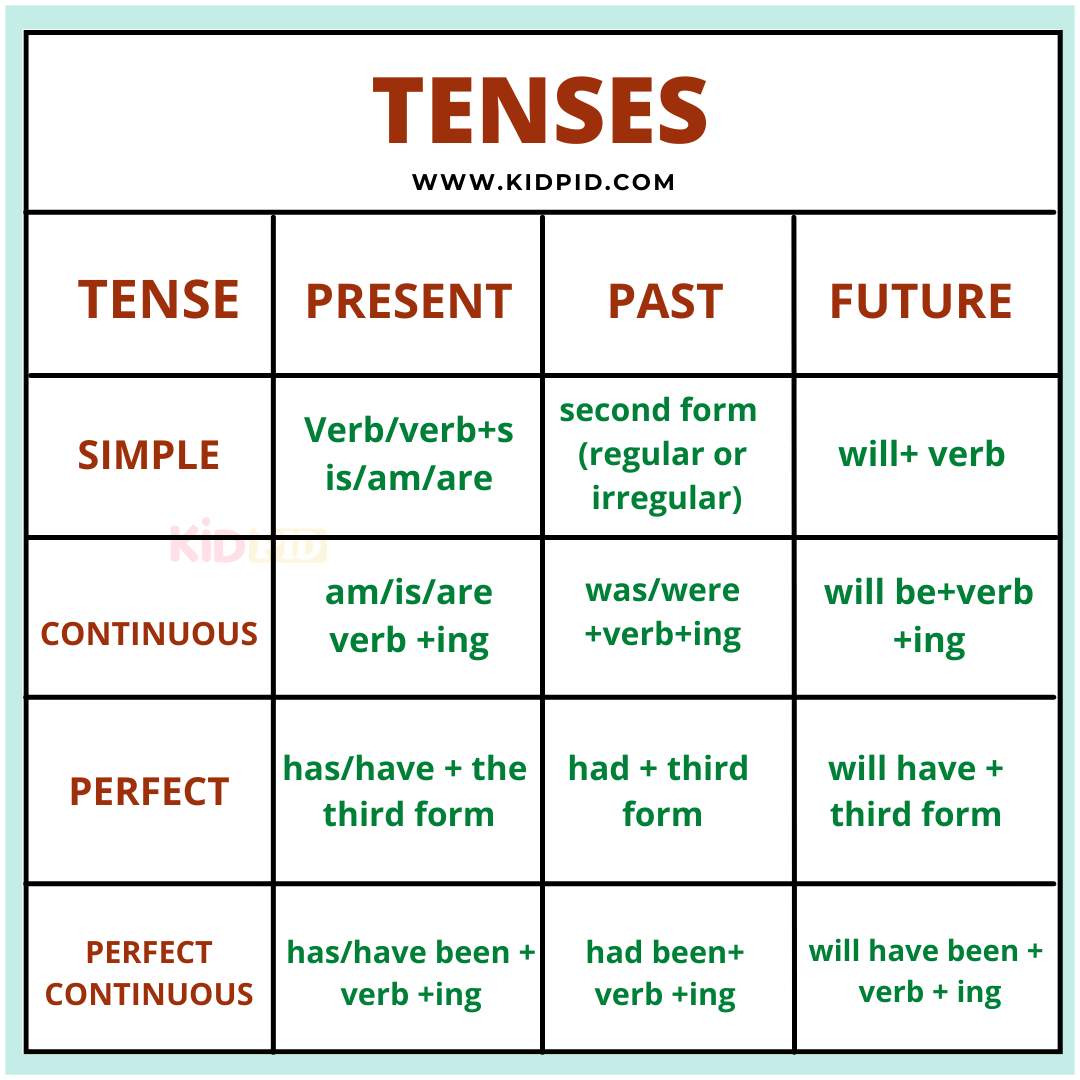
Grammar Tenses in English with Chart - Kidpid - All For One
A Detailed Guide To Using Verb Tenses In Writing – INK Blog
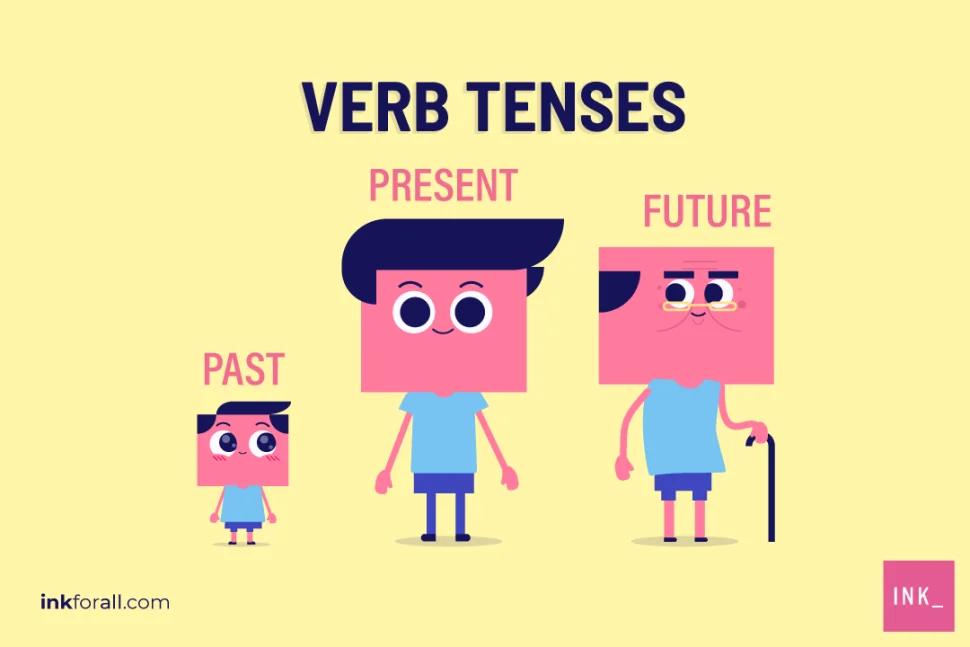
A Detailed Guide to Using Verb Tenses in Writing – INK Blog
Grammar Clipart Present Tense, Grammar Present Tense Transparent FREE
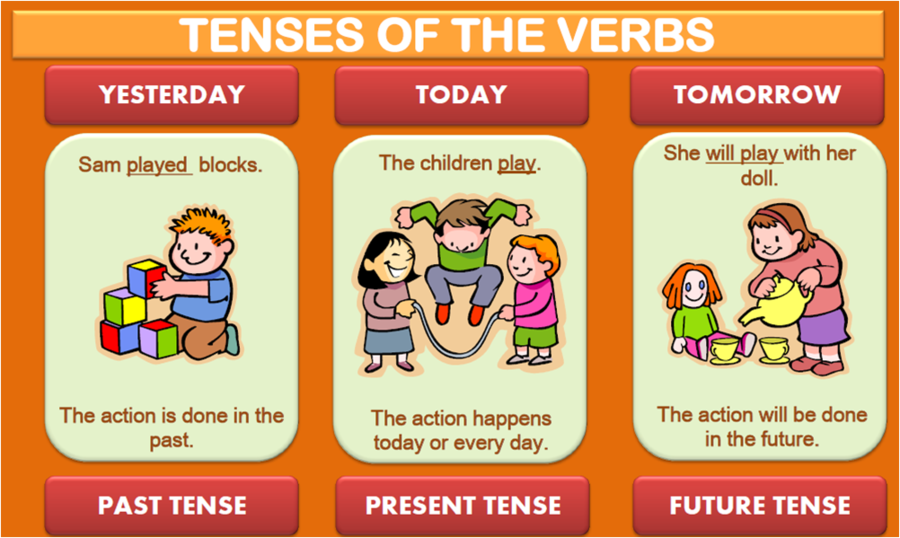
Grammar clipart present tense, Grammar present tense Transparent FREE ...
English Tenses Stock Illustrations – 130 English Tenses Stock

English Tenses Stock Illustrations – 130 English Tenses Stock ...
Tenses Chart With Examples, Rules, Usage • Englishan

Tenses Chart With Examples, Rules, Usage • Englishan