Richard Williams Animator
I still remember the first time I sat down with Richard Williams' work, not as a casual viewer but as someone hungry to understand what animation could really be. He had that rare gift, the kind that makes you forget you're watching drawings at all and instead makes you feel every gesture, every breath, every weight shift as if it were happening right in front of you. Richard Williams wasn't just an animator; he was a philosopher of movement, a relentless craftsman who spent decades chasing a single, elusive idea: that a line on paper could hold truth. His passing left a hole in the animation world, but his lessons, his films, and that unforgettable book, The Animator's Survival Kit, keep teaching us all how to see life in motion.
The Survival Kit That Shaped a Generation of Animators
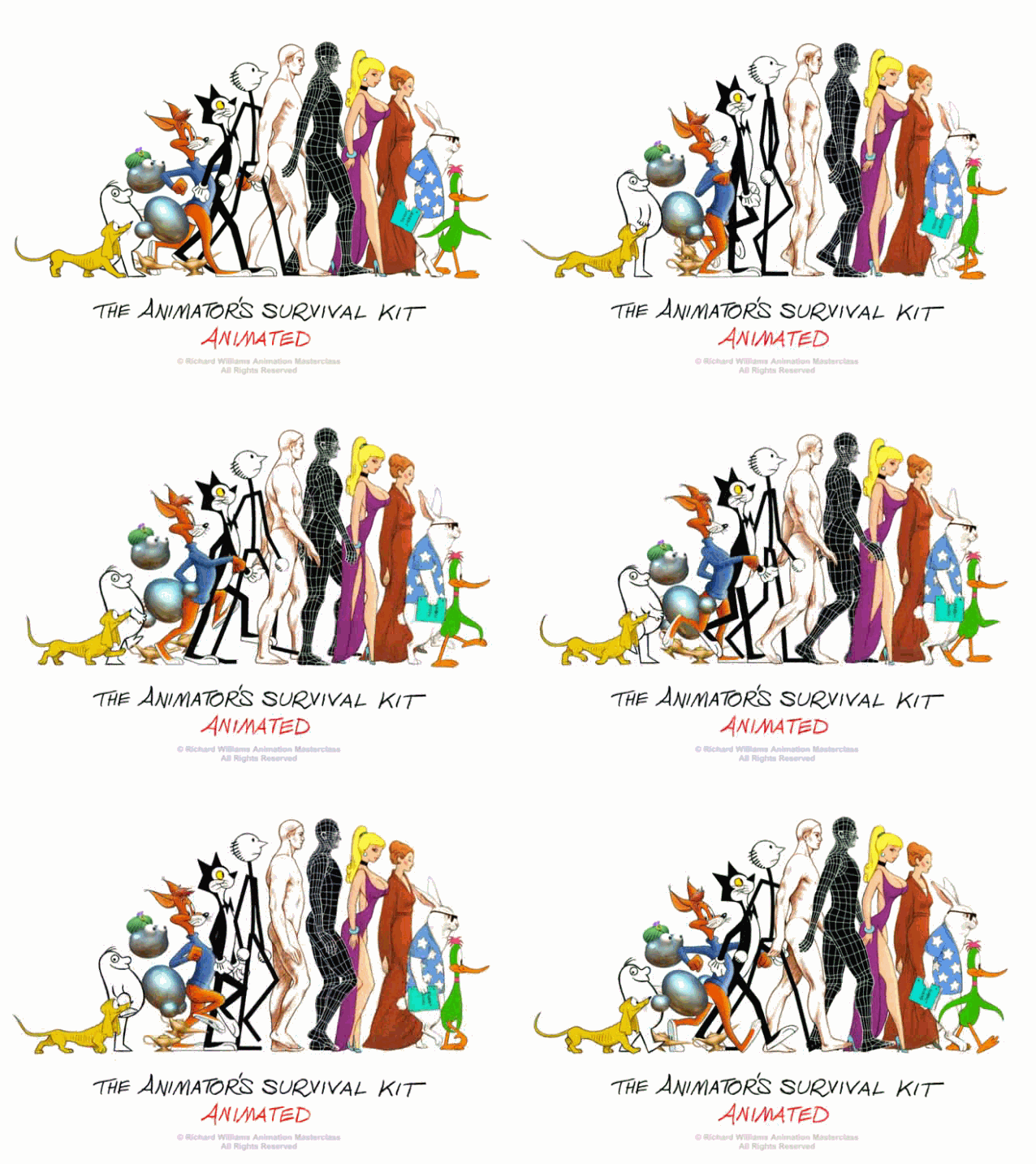
There are books about animation, and then there is the Survival Kit, the one that sat on my desk, coffee-stained and dog-eared, until it practically fell apart. Williams believed that if you could master the fundamentals, the walk cycles, the timing, the anticipation, the squash and stretch, you could animate anything. But he never made it feel like a rigid set of rules. Instead, he invited you into his own struggles, his own breakthroughs, his own little drawings of rabbits and birds that he'd doodle in the margins to explain why a character's head needs to lead before the body follows. What makes that book so special is its humility. Here was a man who had won Academy Awards, who had animated with the greats, and yet he talked to you like a fellow traveler on the same endless road. He reminded us that animation isn't about clever shortcuts or flashy software; it's about observation, patience, and the courage to keep drawing even when you fail.
What Richard Williams Taught Us About Drawing and Heart
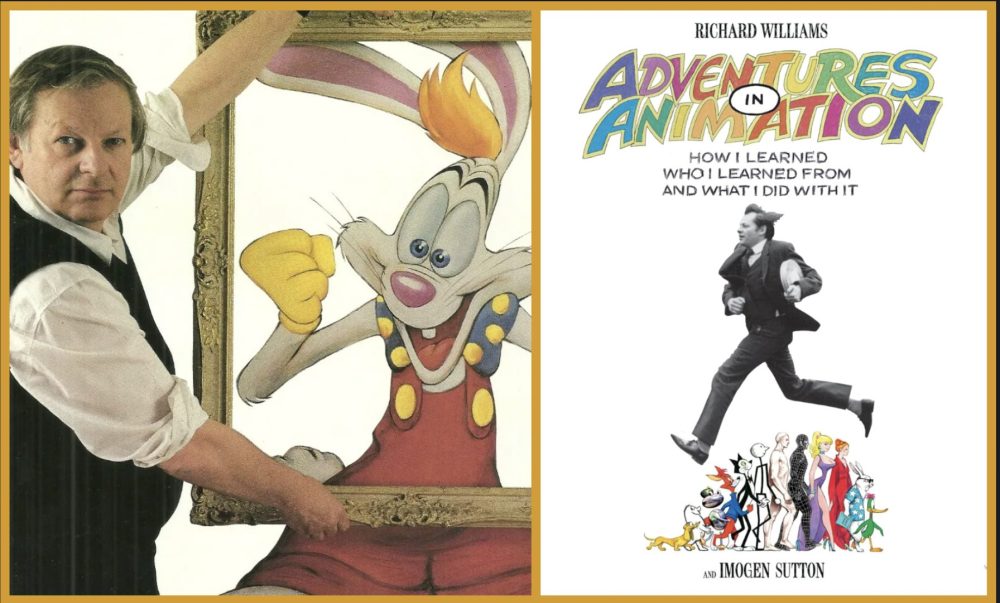
Whenever I look at that familiar smile and those knowing eyes, I think about the advice he gave so often and so honestly: don't try to be clever, try to be true. In an era obsessed with gimmicks and technical wizardry, Williams pushed back and insisted that the emotional core of a scene comes from the simplest things, a pause before a tear falls, a heavy breath after a long run, the way a friend shifts their weight when they're nervous. He brought that philosophy to life in every project he touched, from the frantic, joyful chaos of Who Framed Roger Rabbit's animation direction to the deeply personal, unfinished passion project The Thief and the Cobbler, which he poured his heart into for nearly three decades. That film may never have reached the world the way he dreamed, but its sequences remain legendary among animators, studied frame by frame for their daring perspective and liquid, almost impossible movement
ART AND DESIGN The Animator’s Survival Kit By Richard Williams
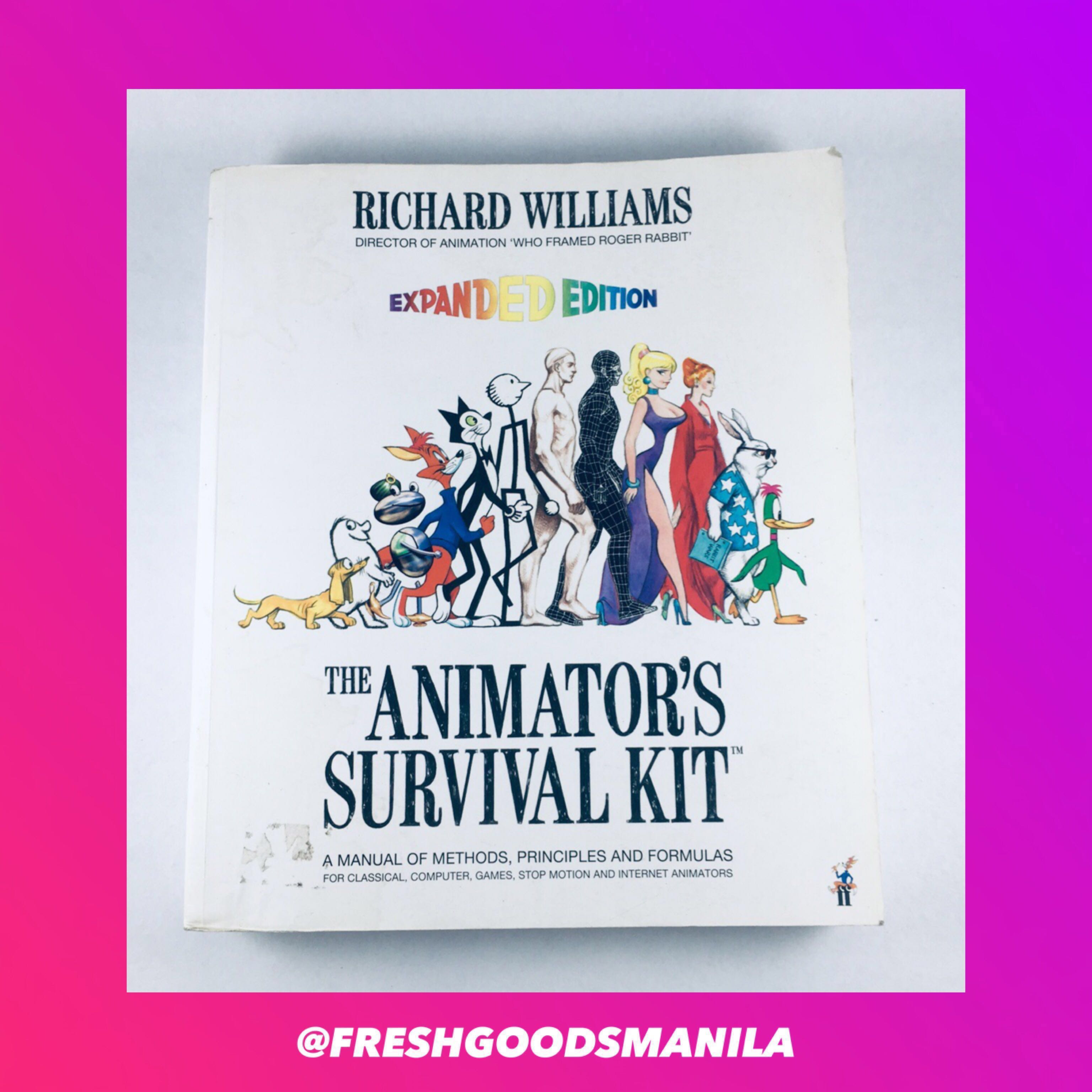
ART AND DESIGN The Animator’s Survival Kit by Richard Williams ...
The Animator's Survival Kit: Runs, Jumps And Skips: (Richard Williams

The Animator's Survival Kit: Runs, Jumps and Skips: (Richard Williams ...
Richard Williams The Animators Survival Kit Book(s)
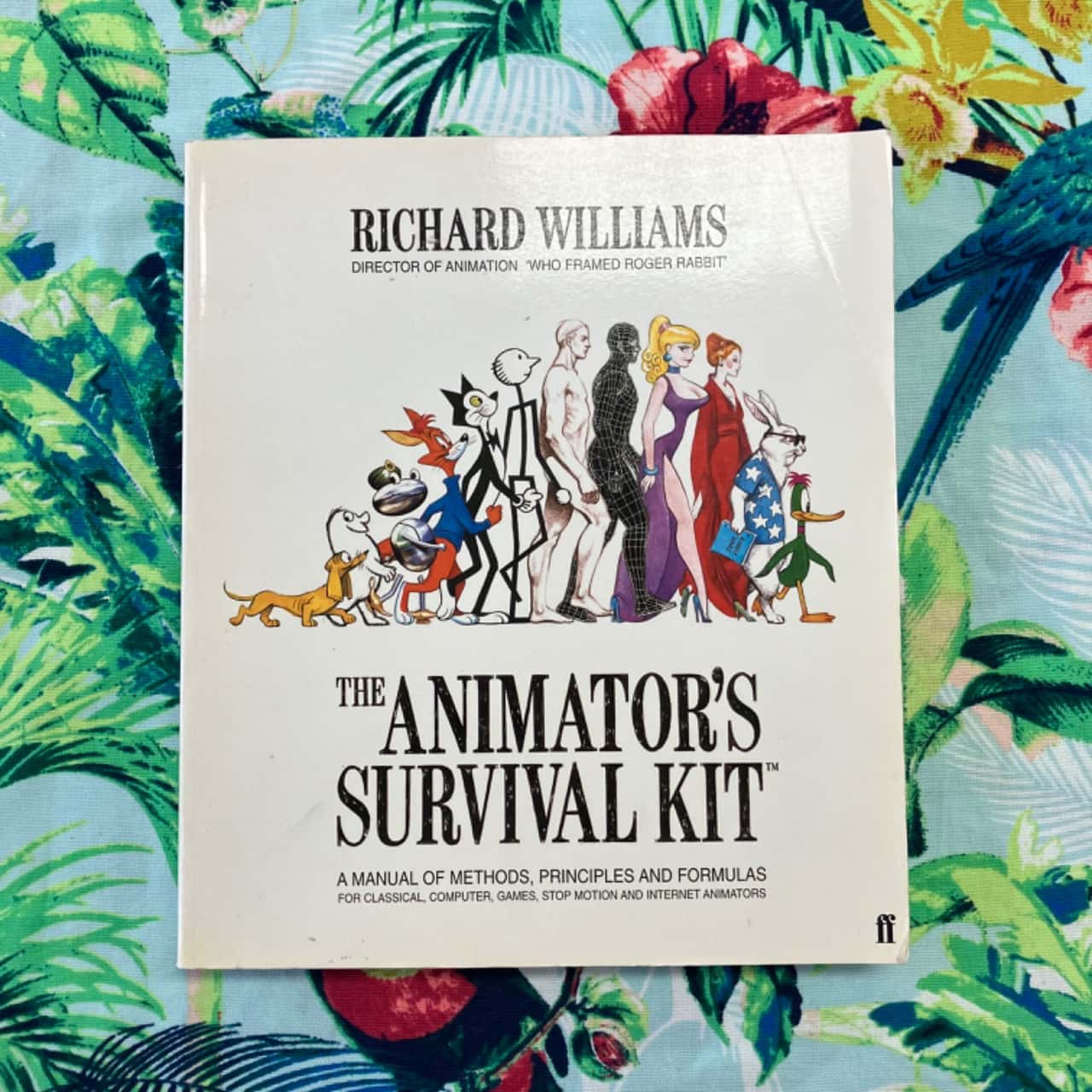
Richard Williams The Animators Survival Kit Book(s)
Richard Williams, Oscar-winning Animator Behind ‘Who Framed Roger

Richard Williams, Oscar-winning animator behind ‘Who Framed Roger ...
Richard Williams (animator) - Alchetron, The Free Social Encyclopedia

Richard Williams (animator) - Alchetron, the free social encyclopedia
Richard Williams (animator) - Alchetron, The Free Social Encyclopedia
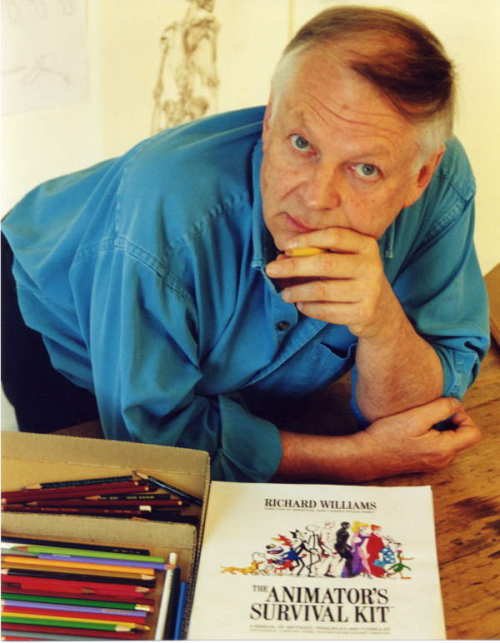
Richard Williams (animator) - Alchetron, the free social encyclopedia
The Animator's Survival Kit ️ Richard Williams | Notodoanimación.es
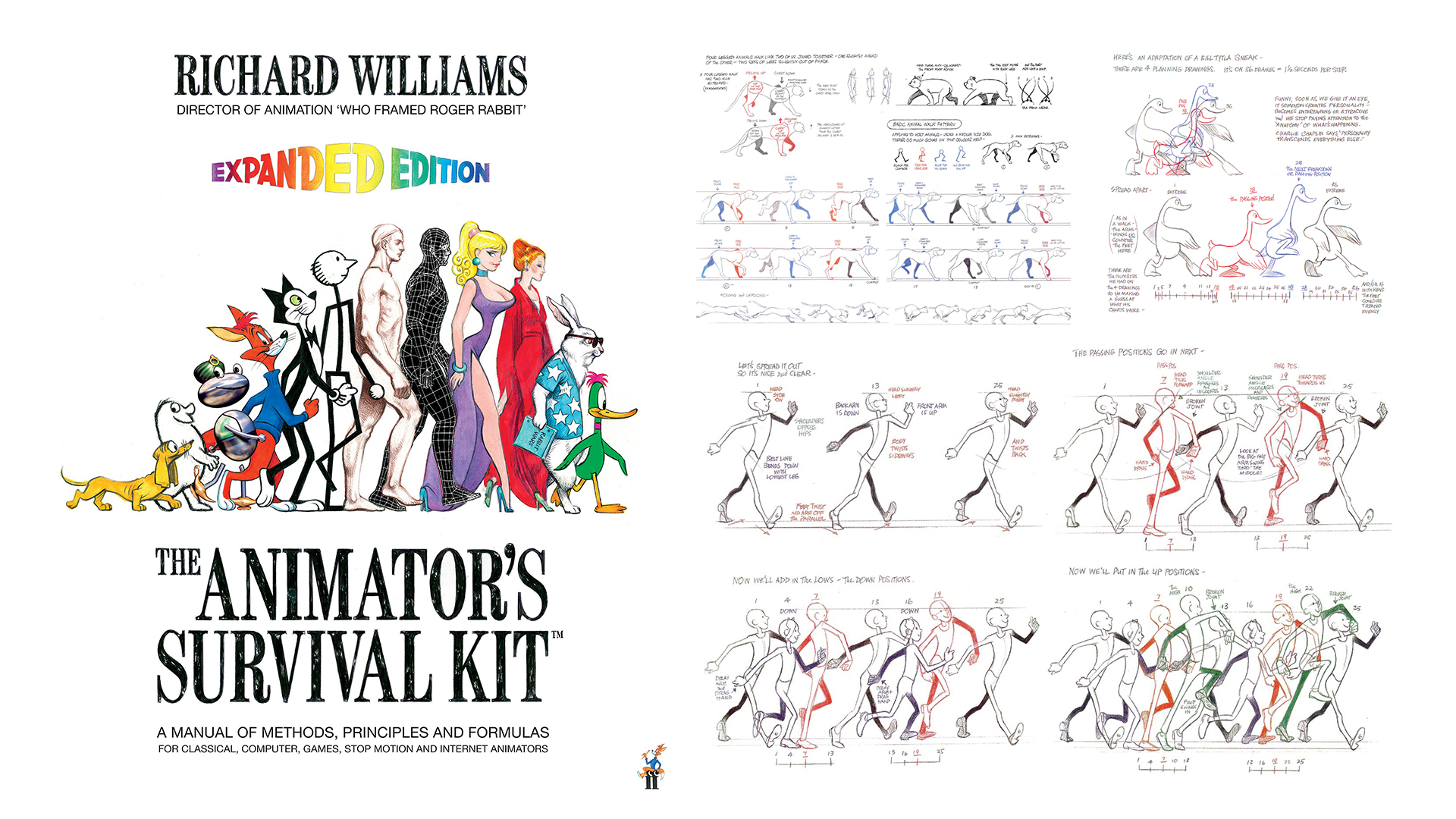
The Animator's Survival Kit ️ Richard Williams | Notodoanimación.es