San Fran Score Today
The San Fran score, a widely recognized assessment tool in clinical and diagnostic settings, continues to draw attention from healthcare professionals seeking reliable methods for evaluating patient information. Today, understanding the nuances of diagnostic documentation and the standards governing medical record-keeping remains essential for practitioners across Canada and beyond. This article explores the relevance of structured diagnostic reporting, the importance of accurate clinical documentation, and how these elements contribute to improved patient outcomes in contemporary medical practice.
Diagnostic Information Provision and Clinical Documentation Updates
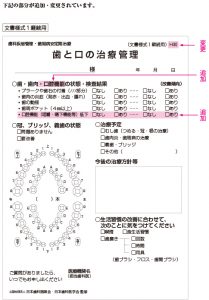
Accurate diagnostic information provision forms the backbone of effective patient care. When healthcare providers document clinical findings, they create a permanent record that informs treatment decisions, supports continuity of care, and satisfies regulatory requirements. Recent updates to documentation standards emphasize clarity, completeness, and consistency across all entries. These changes reflect an ongoing effort to reduce ambiguity in medical records while ensuring that critical diagnostic details are captured in a format that remains accessible to all members of the care team. For practitioners evaluating scores such as the San Fran score, maintaining meticulous records ensures that assessments can be reviewed, compared, and acted upon with confidence.
Why Timely Score Assessment Matters in Modern Practice
Timeliness in score assessment directly influences clinical decision-making. When a scoring system is applied promptly and documented correctly, clinicians gain immediate insight into a patient's condition, allowing for swift intervention when necessary. Delays in recording or interpreting scores can lead to missed opportunities for early treatment, potentially worsening outcomes. The San Fran score, like other validated assessment instruments, depends on consistent application and transparent reporting. Healthcare institutions that prioritize real-time documentation and regular review of scoring protocols tend to demonstrate stronger adherence to best practices and improved patient safety metrics.
Integrating Structured Reporting Into Daily Clinical Workflows
Integrating structured reporting into daily workflows requires thoughtful design and staff training. Electronic health record systems now offer templates that guide clinicians through required fields, reducing the likelihood of omissions. When diagnostic information is captured using standardized formats, it becomes easier to audit, analyze, and share across departments. This interoperability supports research initiatives, quality improvement projects, and accreditation reviews. For Canadian healthcare organizations, aligning local practices with national documentation guidelines ensures that scoring systems remain meaningful and comparable across diverse clinical environments.
Enhancing Patient Communication Through Clear Documentation
Clear documentation also enhances communication with patients and their families. When clinicians explain scores and diagnostic findings using plain language supported by well-organized records, patients feel more informed and engaged in their care. Shared decision-making improves when individuals understand what their scores mean and how they influence treatment options. Moreover, transparent documentation fosters trust between providers and patients, which is particularly important when discussing sensitive or complex diagnoses. By prioritizing accuracy and accessibility in every record, healthcare teams strengthen the therapeutic relationship and promote better adherence to care plans.
In summary, the San Fran score and similar diagnostic tools rely on rigorous documentation practices to deliver their full value. From timely assessment to structured reporting and patient-centred communication, every step in the documentation process contributes to safer, more effective care. Healthcare professionals who remain attentive to evolving standards will continue to uphold the highest quality of service for their patients.