Sec Network Channel
The SEC Network channel does not exist to serve you. It exists to sell you something, and it has grown very good at it. Launched in 2014 as a joint venture between ESPN and the Southeastern Conference, the channel took a regional obsession and turned it into a national subscription line item, wrapped in school colours and sold back to the same people who already pay the tuition, buy the tickets and underwrite the facilities. What you get in return is a loop of talking heads, highlight packages and sponsored segments that treat a nineteen-year-old's ankle sprain as a breaking-news event. What you give up is another few dollars a month on a cable bill you never really agreed to, tucked inside a package you cannot unbundle without losing forty other channels you also never asked for. It is a beautiful arrangement, provided you are the one collecting the carriage fees.
A Twenty-Four-Hour Infomercial Wearing a Blazer
Type those three letters into a search bar and you will just as often land on the seal of a federal regulator as you will on a sports channel, and the confusion is more honest than anyone wants to admit. Both institutions trade in the same currency: access, disclosure and the careful management of what the public is permitted to see. One of them at least publishes its enforcement actions. The other publishes a depth chart. The network's entire value proposition rests on being closer to the action than anyone else — inside the locker room, inside the practice facility, inside the parts of a program that coaches would prefer stayed quiet. That proximity is not journalism. It is a licensing agreement with a microphone attached, and the schools that sign it are not the ones paying the price.
Expansion, Realignment and the Slow Death of Loyalty

Conference realignment was never about geography or tradition, and the channel is the proof. Every round of expansion was a negotiation over television markets, and every school that jumped conferences did so with a spreadsheet open and a legacy quietly set on fire. Rivalries that took a century to build were dissolved in a single afternoon press release, replaced by matchups engineered for a national audience that mostly checks the score on a phone. Fans are told they are part of a family. They are part of a demographic. The channel knows precisely how many of them watch, when they stop watching, and which advertisement keeps them seated through the fourth quarter, and that data is worth more than any trophy in any case.
None of this is going to stop. The money is too large, the audience too captive, and the alternatives too scattered across a dozen streaming services that each want their own monthly tribute. The SEC Network channel will keep running, keep selling, and keep insisting that it is doing all of this for the student-athletes, right up until the moment the next media rights deal is signed and everyone involved quietly admits what it always was: a very lucrative way to charge people for something they used to get for free.
How To Draw A Heart On Fire - Really Easy Drawing Tutorial

How to Draw a Heart on Fire - Really Easy Drawing Tutorial
How To Draw A Heart Line Drawing - Really Easy Drawing Tutorial

How to Draw a Heart Line Drawing - Really Easy Drawing Tutorial
SEC Cuts Fees For Corporate Data By 50%

SEC cuts fees for corporate data by 50%
Securities And Exchange Commission (SEC): What It Is And How It Works
:max_bytes(150000):strip_icc()/SEC-V2-eda00ed16db04b2588bc4db64da421c1.jpg)
Securities and Exchange Commission (SEC): What It Is and How It Works
How To Draw My Melody From Sanrio - Really Easy Drawing Tutorial

How to Draw My Melody from Sanrio - Really Easy Drawing Tutorial
Drawing Of A Butterfly Easy – Teaching Kids To Draw: How To Draw A

Drawing Of A Butterfly Easy – Teaching Kids to Draw: How to Draw a ...
How To Draw A Rope - Really Easy Drawing Tutorial

How to Draw a Rope - Really Easy Drawing Tutorial
SEC.gov | ANE Exception Notices

SEC.gov | ANE Exception Notices
Securities And Exchange Commission Logo Hi-res Stock Photography And
Securities and exchange commission logo hi-res stock photography and ...
SEC Collects Record Penalties Of $6.4 Billion In 2022
SEC collects record penalties of $6.4 billion in 2022
How To Draw Waves- Really Easy Drawing Tutorial

How to Draw Waves- Really Easy Drawing Tutorial
Securities Exchange Commission Logo Cadaret Grant To Pay $6M Over
Securities Exchange Commission Logo Cadaret Grant To Pay $6M Over
FILE PHOTO: The Seal Of The U.S. Securities And Exchange Commission
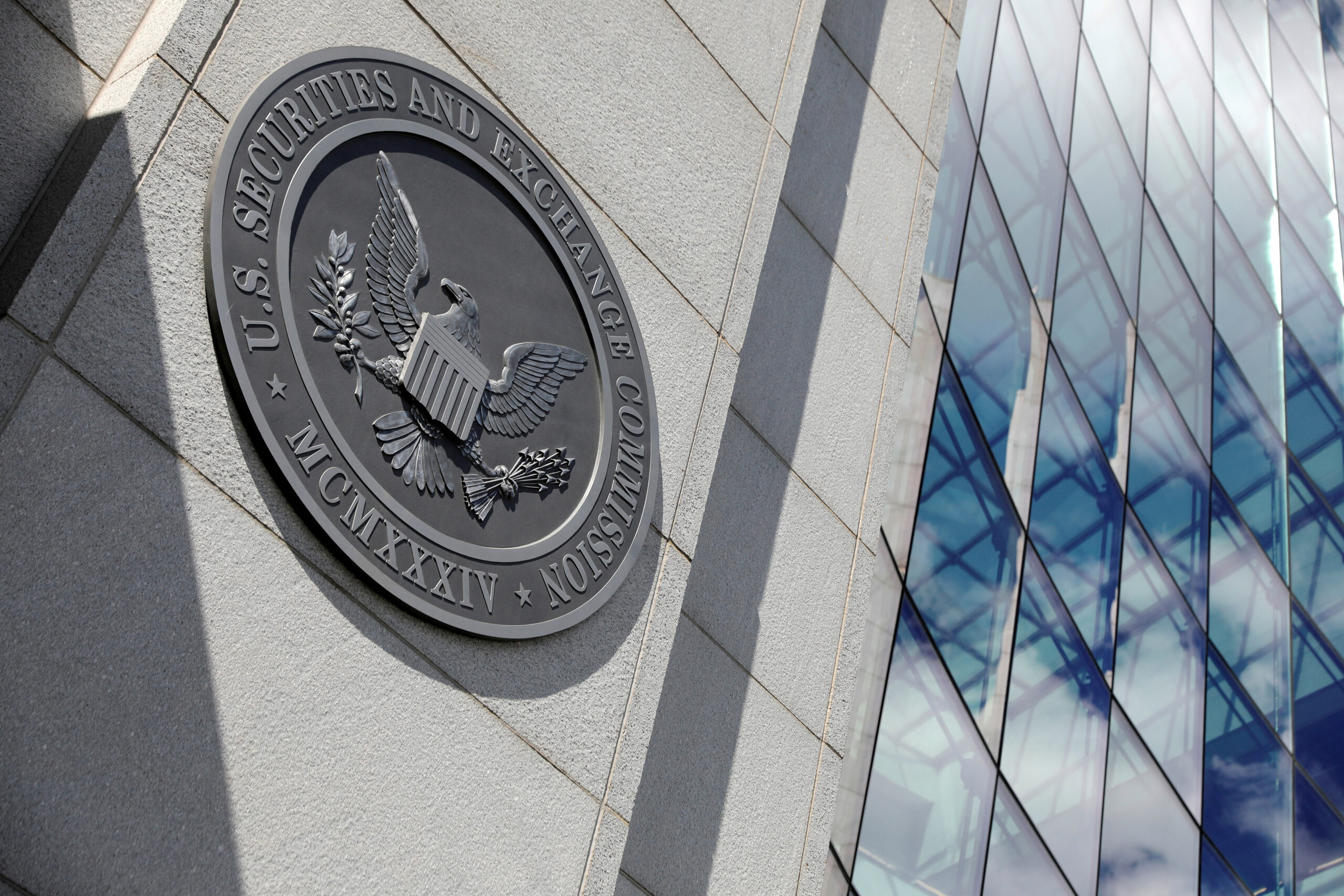
FILE PHOTO: The seal of the U.S. Securities and Exchange Commission ...
How To Draw A Scroll - Really Easy Drawing Tutorial

How to Draw a Scroll - Really Easy Drawing Tutorial
How To Draw A 3D Heart - Really Easy Drawing Tutorial

How to Draw a 3D Heart - Really Easy Drawing Tutorial
How To Draw A Butterfly In A Few Easy Steps | Easy Drawing Guides

How to Draw a Butterfly in a Few Easy Steps | Easy Drawing Guides