Sec Network
When most people hear "SEC," they think of a faceless government agency issuing fines or a headline-grabbing courtroom drama. But pull back the curtain, and you'll discover something far more fascinating: the SEC network is a sprawling, high-tech ecosystem of surveillance systems, data pipelines, and enforcement teams that work around the clock to keep the world's largest capital markets from spiraling into chaos. From the quiet hum of the EDGAR database to the rapid-fire alerts triggered by suspicious options trading, this network is the invisible backbone of investor confidence. Whether you're a day trader, a retiree with a 401(k), or just someone who watched a meme stock skyrocket on Twitter, the SEC's watchful web touches your financial life in ways you probably never realize.
The Digital Nerve Center of U.S. Securities Regulation

At the heart of this operation lies a digital infrastructure that would make most Silicon Valley firms jealous. The SEC network connects more than 4,000 staff members across 11 regional offices, linking them to a torrent of real-time market data flowing from every stock exchange, alternative trading system, and broker-dealer in the country. The agency's Consolidated Audit Trail, or CAT, is the crown jewel of this effort—a massive database that captures the order history for every trade executed on U.S. exchanges, down to the millisecond. When a sudden spike in a pharmaceutical stock happens right before a failed drug trial is announced, the SEC network's algorithms don't blink. They flag it, cross-reference it, and route it to investigators who can trace whether insiders moved too early. This isn't just about catching bad actors after the fact; it's about stitching together a real-time map of market behavior that lets regulators spot anomalies before they become full-blown scandals. The network also runs the EDGAR system, which processes over two million corporate filings annually, turning mountains of financial statements into searchable, analyzable intelligence that powers everything from routine compliance checks to complex forensic audits.
Beyond the Ticker: A Watchdog for the Crypto and Fintech Age
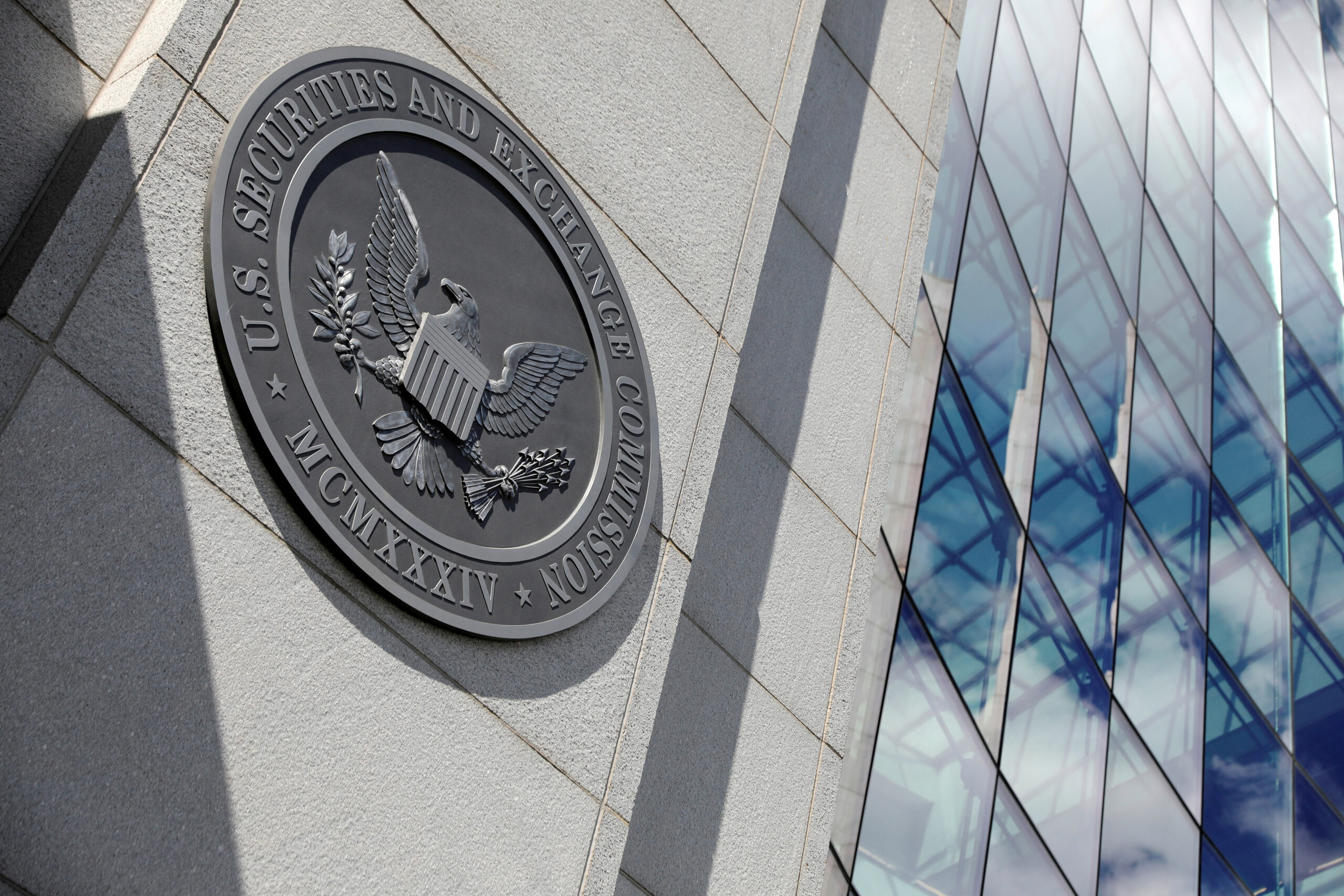
The SEC network has had to evolve dramatically as finance has gone digital. Gone are the days when enforcement meant sifting through paper ledgers and ticker tape. Today, the agency's cyber unit works in tandem with blockchain analytics tools to monitor decentralized finance platforms, spot unregistered securities offerings, and track the flow of funds through cryptocurrency exchanges. The network's reach extends internationally too, with cooperation agreements tying U.S. regulators to counterparts in over 100 countries, allowing evidence to cross borders as quickly as the suspect assets do. This interconnected web proved its worth during the GameStop trading frenzy of 2021, when SEC systems parsed millions of retail trades, short-sale data, and social media chatter in real time to determine whether market manipulation had occurred. For everyday
Securities Exchange Commission Logo Cadaret Grant To Pay $6M Over
Securities Exchange Commission Logo Cadaret Grant To Pay $6M Over
The U.S. Securities And Exchange Commission (SEC) - Your Total Wealth
The U.S. Securities and Exchange Commission (SEC) - Your Total Wealth
Securities And Exchange Commission Logo Hi-res Stock Photography And
Securities and exchange commission logo hi-res stock photography and ...
SEC Collects Record Penalties Of $6.4 Billion In 2022
SEC collects record penalties of $6.4 billion in 2022
SEC Targets Crypto Lender, Levies $3 Million Fines In Enforcement Action

SEC Targets Crypto Lender, Levies $3 Million Fines in Enforcement Action
SEC Cuts Fees For Corporate Data By 50%

SEC cuts fees for corporate data by 50%
Securities And Exchange Commission (SEC): What It Is And How It Works
:max_bytes(150000):strip_icc()/SEC-V2-eda00ed16db04b2588bc4db64da421c1.jpg)
Securities and Exchange Commission (SEC): What It Is and How It Works