Server Names For Discord
Server names for Discord are not labels. They are the first cold breath through a doorway. When someone searches, scrolls, or is nudged into your server, the name must tell them what they are walking into without begging. A good name should feel carved from stone, not typed from a meme generator. It should hold humour, menace, hospitality, or mystery with equal steadiness. In a crowded server list, the strongest titles are simple, specific, and slightly unsettling. They do not say "fun server here". They say "welcome to the blackwater council". They do not ask for attention; they earn it. That is where the craft begins.
Why the Name Must Read Like a Shadow Before It Looks Good
Before you choose a Discord server name, think about how people grow into trust. A newcomer does not need to know your rules, channels, or staff structure yet. They need a mood. The name should set a threshold: is this a gaming stronghold, a writing den, a late-night study hall, a horror community, or a friendly neighbourhood refuge? If your server is meant to feel welcoming, do not make the name too brutal, because coldness can become cruelty. If it is meant to be elite and quiet, do not use a silly pun that breaks the spell. The best names have a texture that matches the behaviour inside. They invite the right person and politely push the wrong one away. That selective pull is what keeps a community from becoming a noisy square with no soul.
Naming Stages: From Idea to Obsession to Trust

Naming moves through stages, much like understanding any other craft. The first stage is gathering: collect words that feel like your server’s weather. The second is pruning: remove anything that sounds like a hundred other titles. The third is listening: say the name aloud, text it to a friend, place it in a Discord sidebar, and see if it still bites. The fourth is commitment: stop apologising for the odd choice. A server name such as "Ember Hall" works for quiet chats; "The Waking Dark" fits horror fans; "Blackboard Club" suits study groups; "No Signal" can carry a tech or gaming vibe with a faint warning. Irish English can help here too. Words like "craic", "session", "town", "hill", or "harbour" can ground a community in place, while darker options like "midnight", "hollow", "raven", and "ash" can lift the mood away from the ordinary. Do not chase length. A short name is a blade; a long name is a fog, useful only when the atmosphere matters more than clarity.
When you test a name, check for three things: uniqueness, readability, and promise. Uniqueness means the name is not buried under generic phrases like "Chill Hub", "Gaming Zone", or "Server 12". Readability means a tired person at 2 a.m. can understand it after one glance. Promise means the name hints at an experience: a laugh, a hunt, a study marathon, a roleplaying table, or a place to rest without noise. If a name fails one of these tests, it can still be saved by a good description and a strong icon, but not for long. People remember the title first, then the room.
There is one more rule: avoid names that are too easy to mock. Discord communities age badly when the title becomes a joke. If a server name sounds childish in a way you cannot control, it will be used as a punchline. If it sounds try-hard without supporting culture, people will leave quietly. The cold mood you want should not be forced; it should come from the inside. Let the name be cold, not embarrassed. Let it be strange, but not broken. Then the server can carry that name for years, like an old hall that knows exactly who is allowed through its door.
Nclex Tip Child Development Stages – Artofit

Nclex tip child development stages – Artofit
Label Each Description Of Piaget's Stages At George Redden Blog

Label Each Description Of Piaget's Stages at George Redden blog
Free Worksheet – Artofit

Free worksheet – Artofit
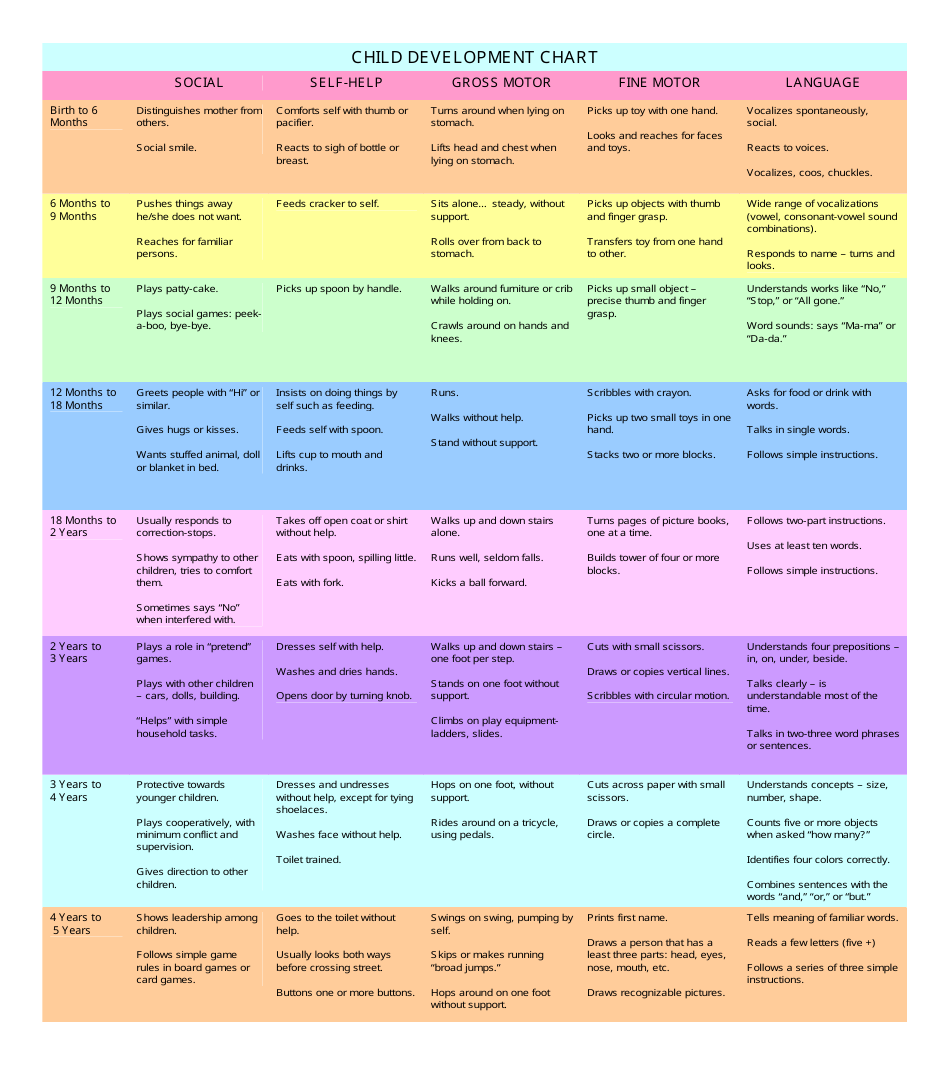
The Growing Child Age | Growing Child Age Chart – YZIP
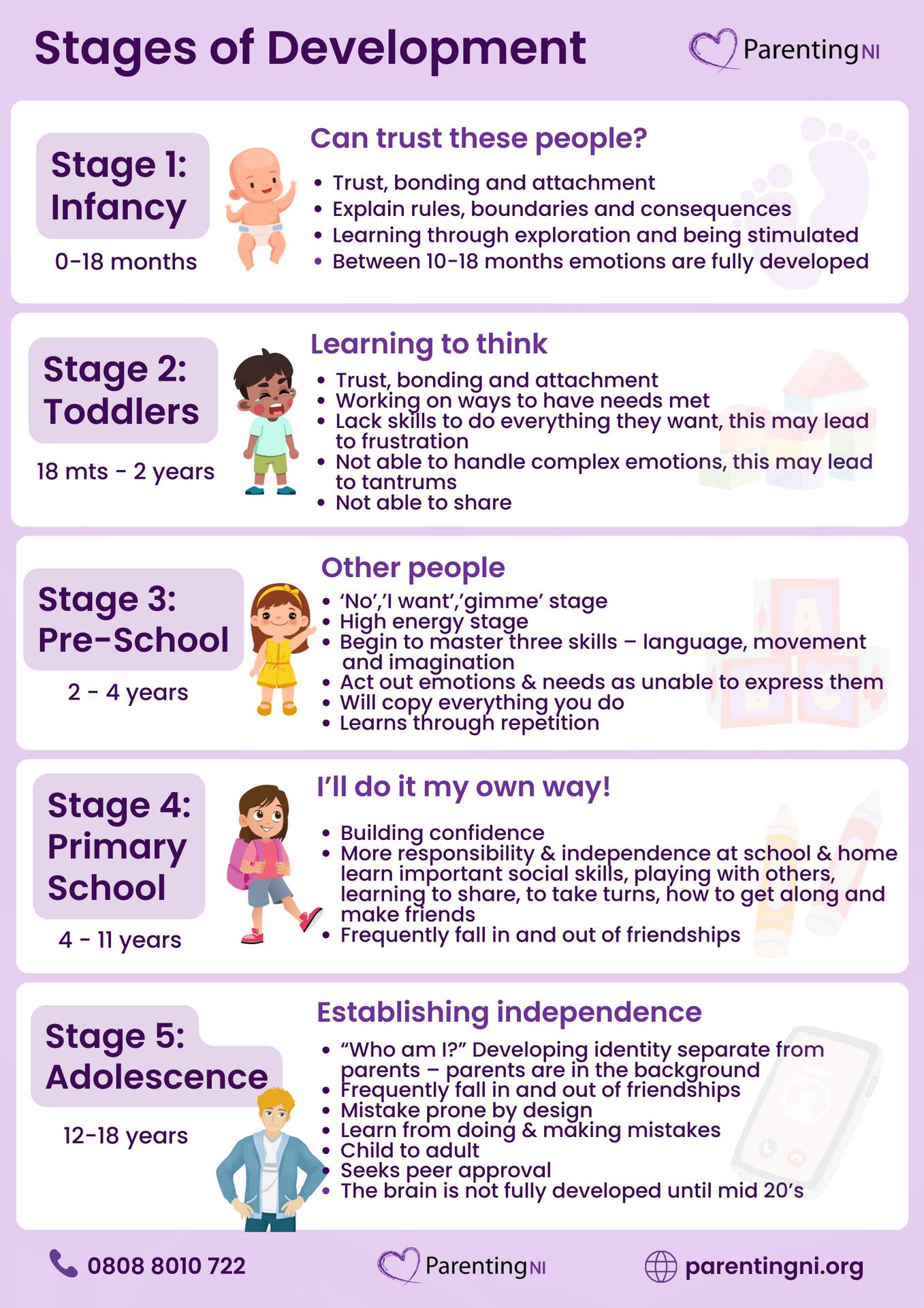
The Growing Child Age | Growing Child Age Chart – YZIP
Child Development Stages Chart | How To Teach Developmental Stages

Child Development Stages Chart | How to teach developmental stages ...
Early Childhood Knowledge And Skills – SFSPF
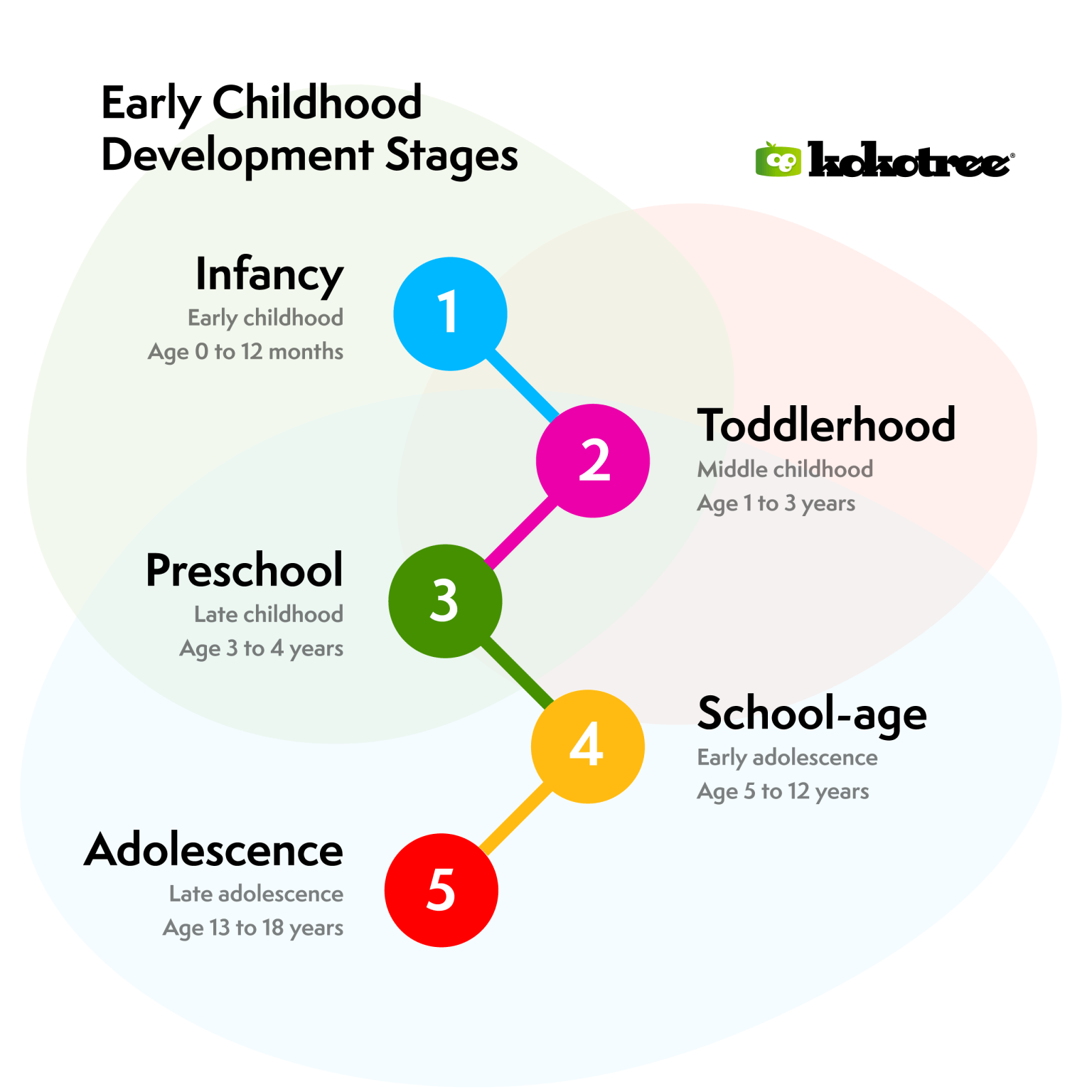
Early Childhood Knowledge And Skills – SFSPF
Child Development Stages Chart – MXQD

Child Development Stages Chart – MXQD